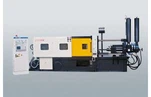
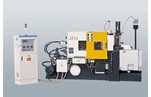
Die casting machines manufacture parts of various complex shapes by injecting molten metal into a mold. However, although its working principle is relatively simple, many issues need to be considered during operation to ensure product quality and operational safety.
1. Metal Pouring: Metal pouring is one of the core steps in equipment operation. During pouring, it is essential to ensure smooth metal flow and avoid the introduction of gas or impurities. The pouring speed and pressure must be adjusted according to the material and product requirements to achieve the desired filling effect.
2. Porosity and Shrinkage: Porosity and shrinkage are common die casting defects that can reduce the strength and sealing of the product. To reduce these problems, appropriate pouring and cooling measures must be taken, and the mold design must effectively vent gas.
3. Mold Design: The mold is a crucial component in the die casting process, directly affecting the quality and precision of the product. Therefore, before using the die casting machine, the mold must be carefully designed and manufactured to ensure it accurately replicates the desired product shape. The mold design also needs to consider the venting system, cooling system, and gate location to avoid defects such as porosity and shrinkage.
4. Operator Training: Operating the equipment requires specialized skills and experience. Operators must receive training to understand the machine's working principles, safe operating procedures, and emergency handling methods. Training should also include knowledge of mold replacement, material feeding, and equipment maintenance to ensure safety and efficiency during operation.
5. Temperature Control: Temperature is a crucial parameter in the die-casting process, directly affecting product quality. The molten metal temperature, mold temperature, and cooling rate must be strictly controlled. Excessively high or low temperatures can lead to surface defects or uneven internal structure in the product.
6. Safety Measures: Die-casting machines generate high temperatures and pressures during operation, making safety measures paramount. Operators must wear appropriate protective equipment, including heat-resistant clothing, masks, gloves, and earplugs. Furthermore, the equipment must be regularly inspected and maintained to ensure the proper functioning of all safety devices, such as safety valves, pressure sensors, and emergency stop buttons.
7. Quality Control: Quality control is an indispensable part of the die-casting process. A rigorous quality control system must be established, including the inspection and testing of product dimensions, appearance, and performance. If problems are discovered, corrective measures must be taken promptly to ensure that substandard products do not enter the market.
Many factors need to be considered during the operation of a die-casting machine. Only through scientific management and strict operation can the quality of die-cast products and work safety be ensured. Therefore, both equipment operators and manufacturing managers must have a deep understanding of these issues and take corresponding measures to improve production efficiency and product quality while protecting employee safety.